
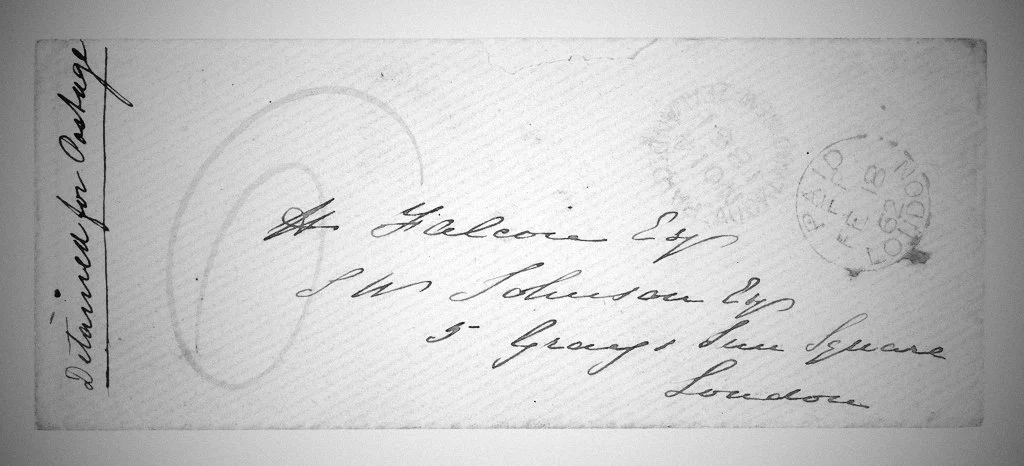
When I write for “an audience”, the sentences stiffen. When I write for one person I know, they loosen and become honest.
An audience is an abstraction. It has no face, no sense of humour, no history with you. Writing for it is like giving a speech to an empty hall: you end up performing instead of talking.
Choose your reader
Before each post I pick a single reader: a friend, a former colleague, my younger self. Then I write only for them, as if this were a long letter they will read on a quiet evening.
- It decides what to explain and what to skip.
- It sets the tone without effort.
- It makes the ending obvious.
Write to one person, and many will feel you wrote to them.
An exercise
Take a post you have been struggling with. At the top of the page, write the name of one real person who would genuinely enjoy it. Then rewrite the opening as if you were sitting across a table from them, explaining why this matters to you.
Notice what you cut. Usually it is the throat-clearing: the general statements, the hedges, the paragraph that exists to prove you have done your research. Notice what you add: a joke they would get, an example from a life you share, a question you actually want them to answer.
That second version is almost always the better post. It sounds like a person, because it was written to one.
Strangely, posts written for one reader are the ones most people share. Specific warmth travels further than general politeness.



Leave a Reply