
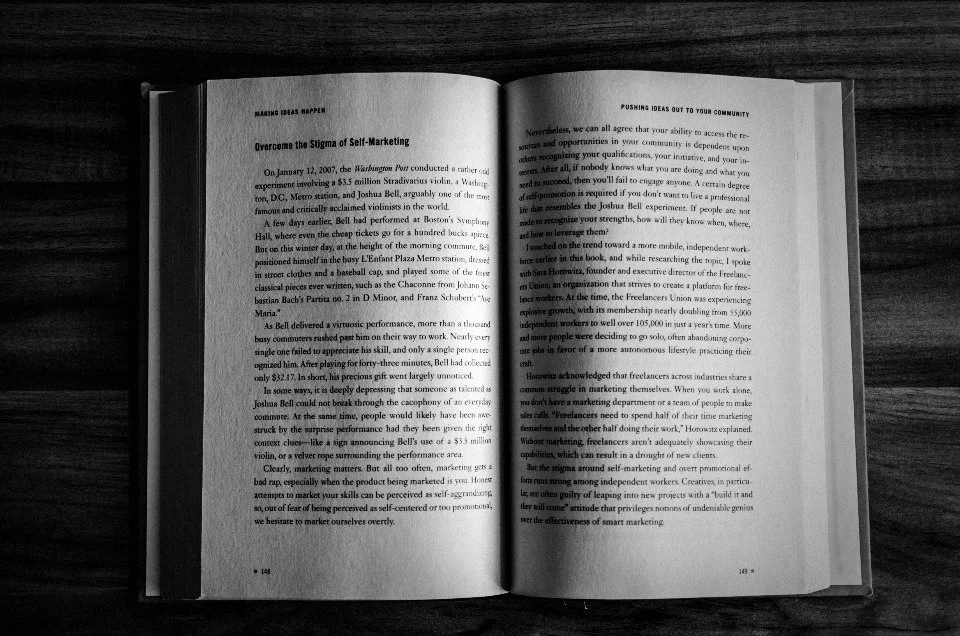
Every book I loved this year had one thing in common: it trusted the reader. It did not explain its jokes, underline its themes or tell me how to feel. It left space, and I filled that space with my own life.
Here are the five that stayed with me, and why.
The five
- A novel about a lighthouse keeper that is really about grief — and never once uses the word.
- An essay collection on attention and the internet that ends without a single piece of advice.
- A slim book of letters between two old friends, where the most important things are in the gaps between letters.
- A travel book about one river, written so patiently that you feel the water slowing you down.
- A short memoir about a father’s garden, which is about everything except the garden.
What trust looks like on the page
Trust shows up as restraint. A writer who trusts you stops a scene one line earlier than you expect. They let a character say the wrong thing and do not correct them. They end a chapter on an image instead of a conclusion.
The best books do not tell you what to think. They give you something worth thinking about.
Why we keep explaining
Most writers over-explain out of fear: fear that the reader will miss the point, misunderstand a character, or simply stop caring. So we add one more sentence, one more clarification, one more reminder of what the story is about. Each addition feels safe. Together they suffocate the book.
The five books above take the opposite risk. They assume you are paying attention, and that assumption is a form of respect. It invites you in as a collaborator instead of a student. You finish them feeling that you discovered something, not that you were told it.
That feeling is why I keep recommending them, and why I go back to each of them every few years. They are different books each time, because I am a different reader.
Reading these books made me a little braver as a writer. I cut more explanations. I trust my readers more. Some of them, I suspect, have noticed.



Leave a Reply