
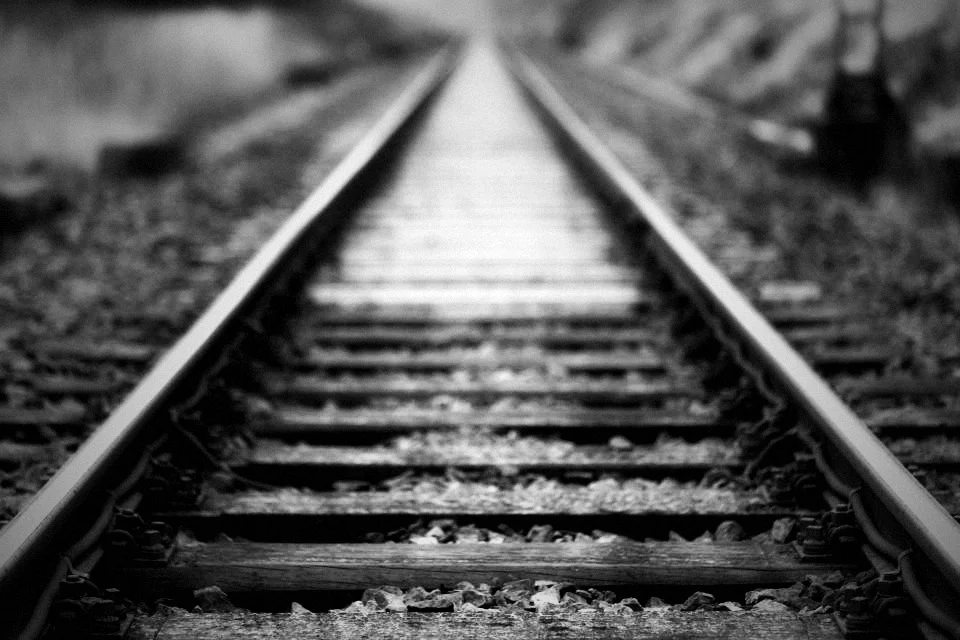
The train left forty minutes late and nobody minded. There is a particular calm that settles over a carriage once everyone accepts that the journey will take as long as it takes.
I had seven hours, one window seat and no reason to hurry. I had planned to read. Instead I watched, and wrote, and watched again.
The landscape as a slow film
Outside, the fields changed colour every hour: pale green in the morning, gold by midday, a deep bruised blue as we came down from the hills. Small stations passed with names I will never see again. A woman watered geraniums on a platform where no train ever seemed to stop.
Slow travel is not a way of getting somewhere. It is a way of being somewhere longer.
What I wrote
I wrote more in that one afternoon than in the whole month before. Not because the train was inspiring, but because it removed every alternative. There was nothing to check, nowhere to go, no one waiting for an answer.
- Six pages of notes about the people around me.
- The opening of an essay I had been avoiding for weeks.
- A list of things I want to do more slowly.
The people in carriage four
A retired teacher grading imaginary papers in her head, tapping a pencil against the window. Two students arguing gently about a film. A man in a suit who fell asleep before the first station and woke up, confused and happy, three hours later. A child who counted every cow for an hour and then announced the total to the whole carriage with great seriousness.
On a fast train, these people would have been obstacles between me and my seat. On a slow one, they became the story. Slowness does that: it turns strangers into characters and a journey into a place you live for a while.
When the train finally arrived, I was almost disappointed. Next time, I am choosing the slow one on purpose.



Leave a Reply