
Cities are read the way books are: slowly at first, then all at once. You can drive through a place a hundred times and never know it. Walking is the only speed at which a city tells you anything true.
From a car, a street is a gap between two destinations. On foot it becomes a sentence with its own grammar: the bakery that opens before dawn, the staircase that cuts between two roads, the wall where someone has been painting the same flower for years.
The Friday walk
I started taking one long walk every Friday, with no destination and no headphones. The only rule was to turn whenever something caught my attention — a sound, a smell, a patch of light on a wall. Within a month I knew my neighbourhood better than in the five years before.
Walking is the only speed at which a city tells the truth.
I learned which streets are loud at noon and silent at four, where the old men play backgammon, which corner always smells of cardamom. None of this is useful information. All of it made the place feel like mine.
How to read a street
- Look up. The top floors keep the oldest stories.
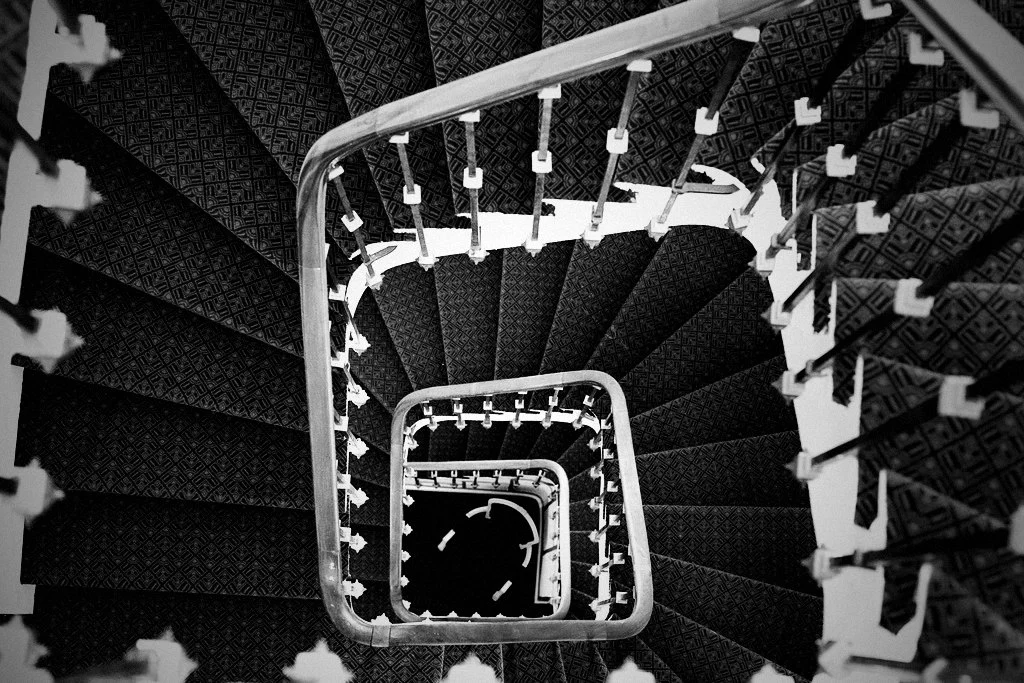
- Follow the stairs and narrow passages; they are the city’s footnotes.
- Notice what is repaired and what is left to fade.
- Go back to the same street at a different hour.
The cost of speed
We built our cities for cars and then wondered why they started to feel the same. The faster you move, the more every place collapses into a list of signs and junctions. Speed is efficient, but it is also a kind of blindness: it shows you the destination and hides the journey.
Walking undoes this. It forces you to notice gradients, to feel the temperature change between a sunny square and a shaded alley, to hear a language you do not speak drifting out of a kitchen window. None of these things appear on a map, and all of them are the city.
Next time you have half an hour, leave the car. Pick a street you have only ever driven down and walk it from end to end. You may find that you never really knew it at all.
A map tells you where things are. Walking tells you what they mean to the people who live there. If you want to know a city, give it your feet and your time — it will give you the rest.



Leave a Reply